

Are Robotics in Warehouse Automation Worth It for Small to Mid-Sized 3PLs?
- Jul 21, 2025
- 4 min read
Updated: Sep 10, 2025
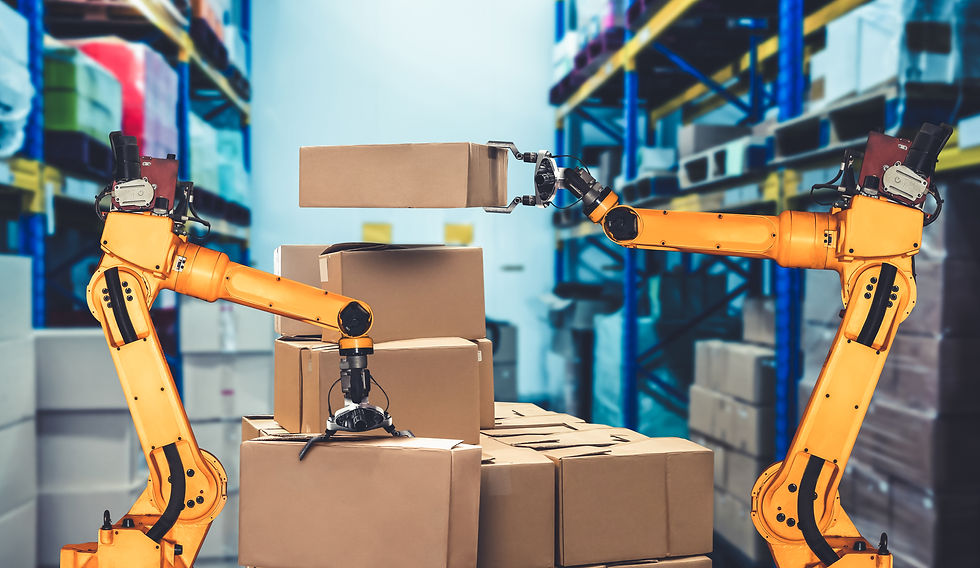
Robotics warehouse automation refers to the use of intelligent systems, robotics, and autonomous machines to perform repetitive tasks in a warehouse—like picking, packing, transporting, and storing goods. These technologies aim to optimize operations by reducing human labor, increasing accuracy, and improving throughput.
But is robotics in warehouse automation truly worth the investment for small to mid-sized third-party logistics providers (3PLs)? As the industry evolves, this question becomes increasingly critical. Below, we explore the benefits, costs, and practical implications of warehouse automation for growing logistics providers.
What Is Robotics in Warehouse Automation?
Warehouse robotics involves integrating robotic technologies into logistics processes to handle tasks that would otherwise require manual labor. These robots can move items, pick and pack products, sort inventory, and even manage storage through advanced robotic warehouse systems.
Automated warehouse robots are designed to streamline the flow of goods. Whether it’s robotic arms performing precise sorting or mobile warehouse robots transporting inventory, these machines improve productivity and reduce errors.
Warehouse logistics robots function within modern supply chains by connecting directly to warehouse management systems (WMS), enabling them to make real-time decisions based on inventory data, orders, and shipping schedules. This connectivity helps 3PLs react quickly to demand shifts while maintaining high service levels.
Why Are 3PLs Adopting Automation Robots in Warehousing?
Small and mid-sized 3PLs are under constant pressure—from labor shortages to rising customer expectations. Robots in logistics offer an efficient solution by increasing throughput and maintaining accuracy.
Warehouse automation robots solve labor gaps, reduce human error, and ensure consistent performance. For 3PLs struggling to recruit or retain warehouse staff, autonomous warehouse robots provide much-needed stability.
Automation for logistics also improves efficiency by reducing picking errors and speeding up order fulfillment. With increasing customer demands, rising labor costs, and competitive pressures, logistics automation solutions are becoming a necessity—not just a luxury.
How Much Do Warehouse Robotics Solutions Cost (and Save)?
While the price tag for warehouse robotics solutions can be daunting, the long-term payoff is often worth it. A small robotic warehouse system can cost between $50,000 to $500,000, depending on complexity and scale. Factors include equipment, integration, software, and support.
Automated warehouse solutions often deliver ROI in 2–5 years. Benefits include labor cost reduction, fewer errors, and faster throughput. For instance, replacing five manual pickers with one robot picking warehouse system could save tens of thousands annually.
Many automated logistics systems are modular and support phased implementation. Vendors even offer robotics-as-a-service (RaaS) models to help reduce upfront costs.
Are Small and Mid-Sized 3PLs Ready to Implement Robotics?
Before implementing warehouse automation, small and mid-sized 3PLs need to ensure they have a strong foundation in place. This includes having a reliable warehouse management system (WMS), well-defined workflows, and accurate inventory data. Many warehouse robotics companies offer plug-and-play systems that can integrate easily with existing operations, but thorough planning is essential to avoid pitfalls.
Common mistakes include rushing into complex automation systems too soon, neglecting proper training for warehouse staff, and investing in robotics without clear return-on-investment (ROI) goals. Ultimately, robotic warehouse automation delivers the best results when introduced as part of a well-planned, data-driven strategy that aligns with the company’s operational capabilities and business objectives.
Pros and Cons of Robotics Warehouse Automation
Pros:
Increases Order Accuracy and Productivity Robotic systems eliminate human error during picking, packing, and sorting, leading to more accurate order fulfillment. This results in fewer returns and improved customer satisfaction. Robots also work faster than human counterparts, boosting throughput.
Reduces Labor Dependency During Shortages With ongoing labor shortages, especially in the logistics sector, automation helps 3PLs stay operational. Robots don't call in sick, need breaks, or resign unexpectedly, offering a more stable and predictable workforce.
Enhances Scalability and Consistency Once a robotic system is in place, it's easy to scale it up by adding more units. Consistent performance also means warehouses can meet service level agreements more reliably, even during peak seasons.
Supports Efficient Warehouse Picking and Packing Robotic picking and packing systems are programmed for speed and precision. They follow optimized paths, reduce travel time, and ensure items are packed correctly and securely, which lowers the chances of damage in transit.
Improves Inventory Visibility and Safety Robots integrated with WMS provide real-time inventory updates, reducing shrinkage and out-of-stock scenarios. Safety also improves, as robots handle dangerous or physically taxing tasks, decreasing the risk of worker injuries.
Cons:
High Upfront Investment and Long ROI Timelines Purchasing and integrating robotics can be expensive. Small 3PLs might struggle with initial capital costs, and ROI may take years, especially for complex or large-scale implementations.
Workflow Disruptions During Integration Implementing robotics can interrupt existing operations. Systems need to be tested, employees retrained, and workflows adjusted. Downtime or inefficiencies during this period can affect customer service and delivery times.
Complex Tech Setup and Maintenance Needs Robots require ongoing maintenance, software updates, and technical support. Smaller operations might lack in-house expertise and may need to rely on vendors for troubleshooting and repairs, which can be costly and time-consuming.
May Be Unnecessary for Low-Volume or Unpredictable Operations If your warehouse deals with low volume or irregular orders, investing in robotics may not make financial sense. In such cases, manual processes may remain more flexible and cost-effective.
What About Picking, Packing, and Kitting Automation?
For many 3PLs, picking and kitting processes are labor-intensive and error-prone. That’s where technologies like warehouse picking robots and robotic packing systems make a big impact.
A picking robot or bin picking system can reduce walking time and fatigue, while robotic packing ensures consistent packaging. Pick-and-place automation enables scalable, accurate order assembly for high-volume operations.
Even for smaller facilities, kitting in warehouse environments can be improved through automation. Flexible robot picking warehouse systems are now available at lower costs, and as-a-service models lower financial barriers.
Is It Worth It?
Warehouse robotics isn't just for massive enterprises. For small and mid-sized 3PLs, robotic warehouse systems and automation technologies offer a path to stay competitive, reduce labor reliance, and meet growing customer demands.
While not every 3PL will benefit equally, those who plan carefully, start with a strong WMS, and implement robotics in stages will see significant improvements. Robotics warehouse automation isn’t a passing trend—it’s becoming essential to the logistics landscape.
For 3PLs ready to invest strategically and scale with intention, the answer is yes: robotics in warehouse automation is absolutely worth it.
Get in touch with Blue Sky Robotics today and see what robotics can do for your warehouse.