


One Robot Many Workflows
- Oct 22, 2025
- 2 min read
Distribution centers face growing challenges: fluctuating order volumes, labor shortages, and high SKU counts. To remain competitive, operators are turning to automation in distribution centers. Flexible robotic systems that handle multiple workflows, from picking and packing to kitting and assembly, are revolutionizing warehouse operations by improving efficiency, accuracy, and adaptability.

Why Versatile Robots Are Essential
Modern warehouses need solutions that can switch between tasks quickly. Multi-purpose robots equipped with robotic arms can perform a variety of functions, reducing downtime and capital expenditures. These systems also enable a data-driven supply chain, giving managers real-time insights into workflow performance and inventory levels. Some great examples of versatile robotic arms are from brands like Fairino and Ufactory.
Workflows Robots Can Handle
Robots can support a range of operations to increase throughput and reliability, including:
Picking and packing for e-commerce and retail orders
Kitting and assembly of components for customer orders
Custom solutions for custom kitting and fulfillment
Enhancing efficiency for value-added in logistics tasks such as labeling, inspection, or specialized packaging
By automating these processes, human workers can focus on higher-value activities like quality assurance and exception handling.
Technology Behind Multi-Workflow Automation
Several tools enable robots to perform diverse tasks efficiently:
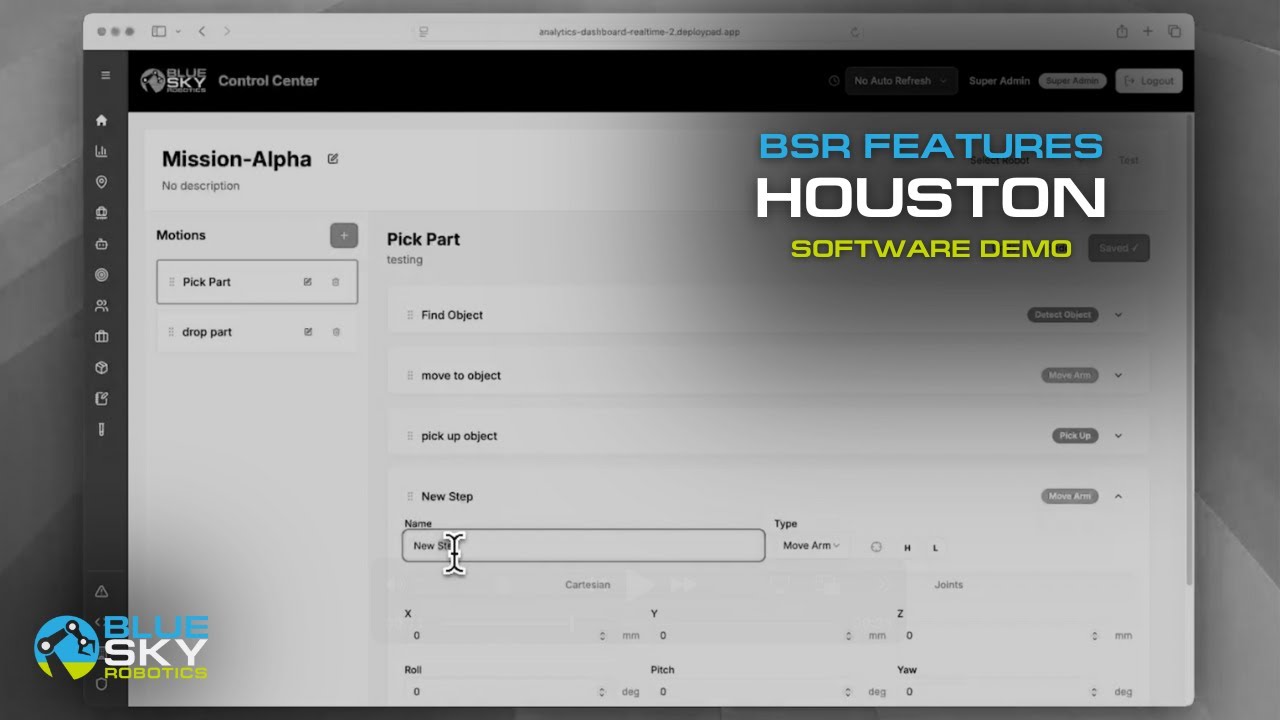
No-code automation software allows warehouse staff to create and modify workflows visually without coding knowledge.
Robotics control software coordinates hardware, sensors, and grippers, ensuring smooth operation across tasks.
Modular tooling and quick-change end-of-arm devices let a single robot handle boxes, cartons, and delicate items.
These technologies make it possible for one system to switch seamlessly between workflows while maintaining high accuracy and throughput.
Benefits of Multi-Purpose Robotics
Implementing robots that handle multiple workflows delivers several advantages:
Reduced equipment costs by replacing multiple machines with one flexible system
Faster adaptation to changing product lines and seasonal demand spikes
Increased throughput and consistent quality across operations
Enhanced workforce productivity by automating repetitive or hazardous tasks
Multi-purpose robots future-proof operations, allowing warehouses to meet evolving customer expectations and operational challenges.
Key Considerations for Implementation
Before deploying a flexible robotic system, operators should assess:
Complexity of workflows to determine if one robot can manage all tasks efficiently
ROI compared to single-purpose machines
Staff training requirements to operate and manage automated systems
Scalability and maintenance to support long-term growth
Thorough planning ensures reliable performance and a strong return on investment.
Flexible robotic systems are transforming distribution centers. By integrating automation in distribution centers with modular tools, one robot can efficiently handle picking and packing, kitting and assembly, and even custom kitting and fulfillment tasks. Using no-code automation software alongside robotics control software, warehouses gain flexibility, efficiency, and the ability to add value-added in logistics services, all while supporting a data-driven supply chain.
The result is a smarter, faster, and more adaptable operation, ready to meet today’s demands and future challenges.
👉 Want to learn more? Reach out to our team today.


