



Next-Gen Pipetting Robots: Enhancing Laboratory Precision and Efficiency
- Jan 23
- 5 min read
Laboratory workflows have shifted decisively from manual techniques to automated liquid handling, driven by the need for greater throughput and reproducibility. For professionals in manufacturing, warehousing and automation, understanding how these systems reshape downstream operations and quality control is increasingly important. The pipetting robot has become a cornerstone technology in that transition, enabling standardized sample handling across a wide range of protocols.
Precision, consistency and speed are now core requirements for modern research and production workflows; small errors in liquid handling can cascade into costly delays or failed experiments. By reducing human error and delivering repeatable, high-throughput dispensing, robotic liquid handlers improve accuracy while freeing staff to focus on higher-value tasks. To set the stage for adoption and integration, we begin with the evolution of laboratory automation and the rise of robotic liquid handling systems.
Key Features to Look for in Reliable Pipetting Robots
Precision dispensing and repeatability are the cornerstone of any reliable pipetting robot, because accurate, low-variance volume delivery is essential for consistent results in assays such as qPCR and ELISA. Features like calibrated syringes, reliable tip detection, and validated dispensing profiles reduce variability and reagent waste while improving data integrity and regulatory traceability. High repeatability translates directly into fewer failed runs and more confidence in downstream analysis, which is especially important for high-throughput and clinical laboratories.
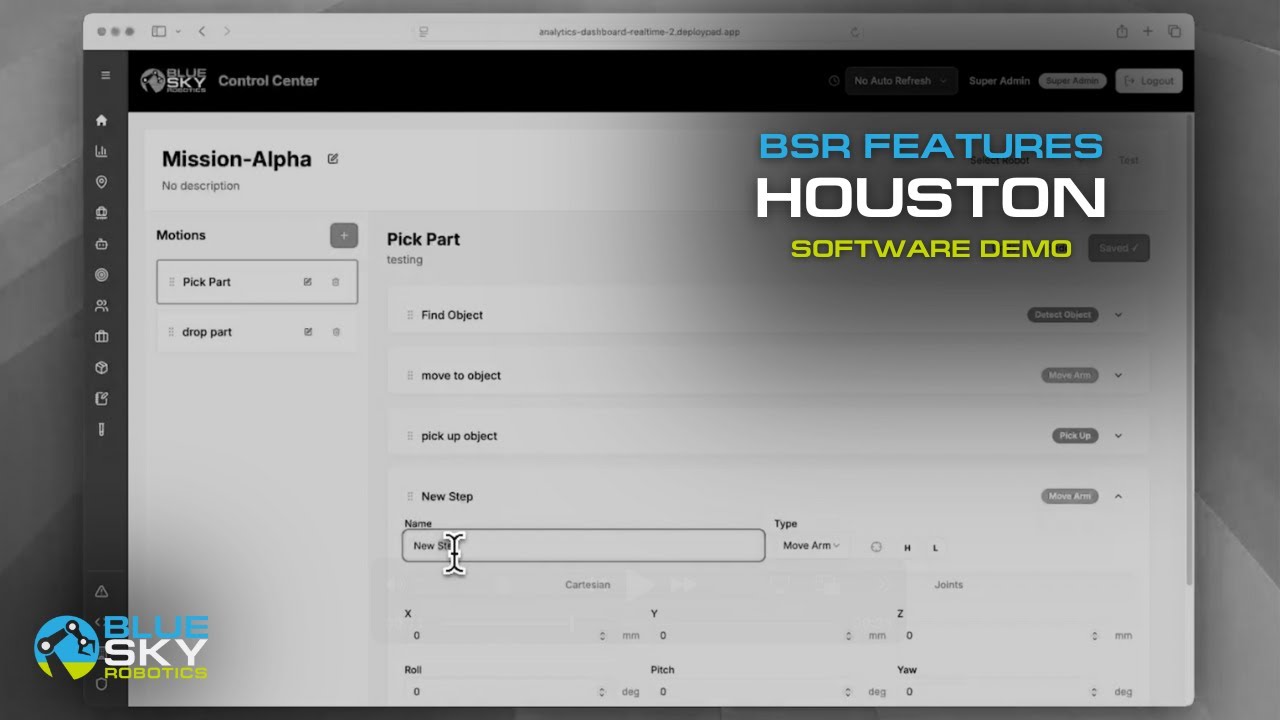
Intuitive user interfaces and modular hardware further enhance daily lab efficiency by cutting setup and training time and simplifying protocol changes. Visual workflow builders, touchscreen controls, and hot-swappable pipetting heads or deck modules let technicians reconfigure systems quickly for different plate formats or throughput needs, minimizing downtime. Equally important, configurable software allows tailored workflows for various assay requirements, and modern control suites with protocol libraries and conditional logic make it easy to adapt automation without bespoke engineering; such configurable software supports rapid deployment of new assays.
Combined, these capabilities make reliable pipetting robots flexible tools that improve reproducibility, reduce human error, and raise throughput. These outcomes shorten research timelines and lower long-term costs. When sourcing systems, prioritize vendors that bundle precision hardware with user-friendly interfaces and flexible software support, since that combination determines how smoothly automation will integrate into existing lab workflows and scale with evolving assay demands.
Enhancing Laboratory Productivity and Data Quality
Automating routine liquid-handling tasks reduces cycle times and operator variability, and it improves sample throughput while strengthening reproducibility and data integrity across experiments. By standardizing pipetting motions and timing, automation removes manual inconsistencies that can confound results and slow turnaround for high-throughput workflows.
Well-designed pipetting robots cut human error through precise tip engagement, programmable aspiration/dispense profiles, and consistent dwell times, delivering repeatable volumes that boost confidence in results. Investing in reliable pipetting robots with flexible, configurable platforms allows laboratories to adapt protocols for diverse assays without sacrificing consistency, which in turn supports scalable validation and method transfer between sites.
Integrated sensors and vision systems further safeguard quality by confirming tip presence, detecting liquid levels, and enabling camera-based verification for plate alignment and sample tracking, creating an audit trail for QC. These features combine to increase throughput and reproducibility while simplifying compliance and troubleshooting, making modular automated systems a practical choice for labs upgrading from manual workflows.
Provide guidance on evaluating vendors based on precision, customization, and technical support.
When evaluating vendors of reliable pipetting robots, prioritize measurable performance metrics such as accuracy, repeatability, and documented coefficients of variation rather than relying on marketing language alone. Also look for vendors offering robust precision and customization in both hardware (interchangeable tips, modular deck layouts) and software (scriptable protocols, open APIs) so flexible, configurable systems can adapt to varied assay workflows and scale as throughput needs change. Strong technical support and transparent validation data help ensure these systems improve reproducibility and reduce liquid‑handling errors in everyday lab work.
Balance price against demonstrated performance by requesting benchmark data, trial units, or proof‑of‑concept runs, and confirm compatibility with existing instruments, plate formats, and LIMS to avoid expensive integration work later. Partnerships with established automation brands are a positive signal of engineering maturity and make spare parts, certified integrations, and scalability easier to obtain. Finally, verify warranty coverage, software update policies, and the availability of community support or training resources. After‑sales service is critical to maintaining uptime and preserving the long‑term value of your pipetting automation investment.
Frequently Asked Questions
What factors should labs consider when selecting a pipetting robot?
When selecting a pipetting robot, labs should first match instrument precision, supported volume ranges, and throughput capacity to their assay workflow so the system reliably improves reproducibility, reduces errors, and increases throughput; assessing these performance metrics ensures the robot meets current and projected sample-processing demands. Labs should also confirm compatibility with assay types and consumables and prioritize vendors that offer strong support, clear service contracts, and comprehensive training, while favoring flexible, configurable platforms from reliable suppliers that can adapt as workflows evolve.
How can flexible software improve pipetting workflows?
Flexible software lets users customize pipetting patterns and methods to match specific protocols, creating reusable templates and parameterized routines that boost reproducibility and throughput on reliable pipetting robots. By integrating smoothly with LIMS and scheduling tools and providing real-time monitoring with adaptive error detection and correction, these configurable systems reduce mistakes and downtime while streamlining data capture and coordination across diverse assay workflows.
Are pipetting robots worth the investment for small labs?
Yes— entry-level reliable pipetting robots can be worth the investment for small labs because even lower-throughput systems often free significant hands-on time and deliver improved consistency that reduces reagent waste and supports better research outcomes. Selecting flexible, configurable platforms with modular, scalable options lets labs expand or reconfigure assays as needs grow, improving reproducibility, reducing errors and enhancing throughput, and when sourced from reputable suppliers those reliable pipetting robots offer the support and upgrade paths that justify the upfront cost.
Empowering Tomorrow’s Laboratories with Smarter Automation
In conclusion, pipetting robots are paving the way towards precision, repeatability, and customization in modern labs. These advanced tools significantly enhance not only the accuracy of liquid handling processes but also their reproducibility by minimizing human error. Through their customizable protocols, these robots adapt to the myriad scientific research requirements, ultimately optimizing resources and results.
Central to these advancements is the synergistic marriage between robotics and intelligent automation tools, fostering tremendous efficiencies and innovations in laboratory processes. As we look to the future, Blue Sky Robotics stands at the forefront of this revolution, steadfast in its commitment to developing next-gen automation technologies. Through our pioneering solutions, we aim to cultivate smarter, more flexible lab environments where creativity and science flourish together. Connect with a Blue Sky Robotics expert today to learn how your lab can harness the power of automation.


